The Origins of Casino Games
The history of casino games can be traced back to ancient civilizations, where primitive forms of gambling were integral to social interactions. In ancient China, around 2300 BCE, a game involving tiles emerged that closely resembles modern-day lottery systems. Meanwhile, in ancient Rome, dice became the primary instrument for gambling, showcasing an early fascination with chance and luck. Today, players can explore an exciting range of options, including online casino real money nz , which reflects the evolution of these rudimentary games that laid the foundation for the complex and varied casino offerings we enjoy today.
During the Renaissance, the structure of gambling began to evolve significantly. The introduction of playing cards in Europe, particularly in Italy and France, marked a major turning point. This period saw the rise of organized card games, which incorporated more strategic elements compared to previous forms of gambling. Games such as Baccarat and Poker began to take shape, establishing themselves as crowd favorites and becoming staples in the gambling world. The growing popularity of these games indicated a shift toward a more refined approach to gambling.
The establishment of the first official casino in Venice, known as the Ridotto, in the 17th century was a monumental milestone in this evolution. The Ridotto was revolutionary as it not only organized gambling activities but also provided a regulated environment for players. This combination of structured gameplay and entertainment set the stage for future casinos and introduced the luxurious settings we associate with gambling establishments today. It marked a significant transition from informal gambling to a more sophisticated and commercially viable industry.
The Rise of Modern Casino Games
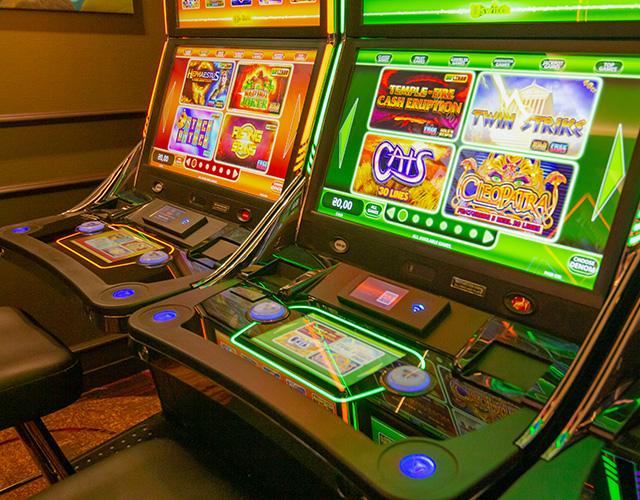
The 19th century marked a transformative period for casino games, largely influenced by the Industrial Revolution. Innovations in technology and manufacturing allowed for the creation of intricate gaming devices, with slot machines emerging as a groundbreaking addition to the casino landscape. Initially known as “liberty bell” machines, these mechanical devices captivated players with their simple yet thrilling gameplay and the allure of substantial cash prizes.
As gambling gained popularity, the range of games offered in casinos expanded dramatically. The introduction of roulette, characterized by its spinning wheel and various betting options, became a hallmark of the gambling experience. This era also saw the establishment of house rules, which standardized gameplay and provided a sense of fairness for patrons. These developments not only enhanced the overall player experience but also solidified the casino’s status as a center for entertainment and social interaction.

The early 20th century brought further innovation with the introduction of thematic games and variations. Casinos began to adopt distinctive motifs, such as ancient Egypt or the Wild West, creating an immersive environment for players. This focus on storytelling and thematic experiences revolutionized how casinos marketed their offerings and attracted a diverse clientele. Rather than simply participating in games, players were invited to engage in narratives that enhanced their overall gaming experience, highlighting a significant shift in the casino industry.
The Digital Revolution and Online Gambling
The late 20th century ushered in a technological revolution that transformed the landscape of casino games: the emergence of the internet. The launch of online casinos in the 1990s provided a new platform for gambling, allowing players to access their favorite games from the comfort of their homes. This digital transformation significantly broadened the audience for casino gaming, as it removed geographical barriers and made gambling more accessible than ever before.
Online platforms quickly adapted traditional casino games such as Blackjack, Roulette, and Poker for digital play. Game developers began to leverage technology to create visually stunning graphics and animations, delivering immersive gameplay experiences that rivaled those found in physical casinos. The introduction of live dealer games further blurred the lines between online and traditional gambling, allowing players to interact with real dealers in real-time, enhancing the social aspects of gaming.
The rise of mobile gaming has also played a crucial role in the evolution of casino games. The widespread adoption of smartphones has enabled players to enjoy casino games on the go, fundamentally changing gambling habits. Mobile-optimized games have made casino gaming a ubiquitous source of entertainment, particularly among younger demographics that value convenience and speed. The development of dedicated mobile apps for both slots and classic table games ensures that the casino experience continues to evolve alongside technological advancements.
The Future of Casino Games: Trends and Innovations
Looking ahead, technology will undoubtedly continue to drive the evolution of casino games. Virtual reality (VR) and augmented reality (AR) are on the brink of revolutionizing the gaming experience, offering players fully interactive environments that replicate the feel of real-life casinos. These advancements will redefine social interactions in gaming, allowing players to connect in virtual spaces while enjoying their favorite games, enhancing both engagement and immersion.
Another emerging trend shaping the future of casino games is the adoption of cryptocurrency. More online casinos are beginning to accept digital currencies, which offer faster transactions and increased security for players. The rise of blockchain technology promises to enhance transparency, allowing players to verify game outcomes and the house edge, thereby fostering greater trust in online gaming environments. This shift towards crypto gambling is likely to attract a new wave of tech-savvy players.
Gamification is yet another trend gaining traction within the casino industry. By incorporating game-like elements such as rewards, achievements, and leaderboards, casinos aim to enhance player engagement and retention. This strategy not only makes the gaming experience more enjoyable but also encourages loyalty, prompting players to explore a broader range of games. As the industry continues to innovate, casino gaming will evolve to meet the changing desires and expectations of future generations.
Exploring More on Casino Games
Diving deeper into the world of casino games reveals a rich tapestry of dynamics and intricacies that surround each game. From the simple yet exhilarating nature of slot machines to the strategic depths found in poker, every game possesses its own unique appeal. Understanding the rules, odds, and strategies of these games can significantly enhance your gaming experience, making it both more enjoyable and potentially lucrative.
For those looking to explore further, numerous resources and platforms offer valuable insights into the casino gaming industry. Whether you seek tips on strategies, the latest game releases, or the historical context of specific games, a wealth of information is readily available. Engaging with dedicated communities and forums can also deepen your knowledge and connect you with fellow enthusiasts who share your passion for gaming.
In conclusion, the evolution of casino games is a captivating narrative that intertwines cultural shifts, technological advancements, and changing consumer preferences. From ancient practices to modern innovations, the journey of casino games continues to unfold. Staying informed about trends and developments in this dynamic world enhances your understanding and enjoyment of the casino experience, ensuring that you remain engaged in this ever-evolving landscape.